Guarding our Kids
A Prayer for the Innocence of Childhood

Editor’s Note: The staff of "His Good News" recently received the following prayer from Sherry Schumann concerning the innocence of children. Her words gave voice to a burden carried by many parents and grandparents. We are publishing the prayer below because it is the reason this article was written.
Abba Father, we fear that the innocence of childhood is in danger of extinction. Promiscuity, sexual innuendos, and obscenities are prevalent everywhere, from family sitcoms to roadside billboards. They threaten to desensitize our children and grandchildren and steal their childhoods.
We come before Your throne of mercy, asking You to protect our children and grandchildren’s eyes and ears from the depravity that overwhelms our culture. Please safeguard their hearts and minds so they can enjoy the innocence of childhood without being forced to grow up before they are physically, emotionally, or spiritually ready.
We also pray for ourselves, who, as their parents and grandparents, are tasked with safeguarding their childhood. As we offer this prayer, we are reminded of the words of Your Son: “… whoever causes one of these little ones who believe in me to sin, it would be better for him to have a great millstone fastened around his neck and to be drowned in the depth of the sea,” (Matthew 18:6). Please help us become more aware of the influences in entertainment, media, and social media platforms that threaten their childhood, and grant us the courage to stand against what may be culturally acceptable.
We pray in Your Name, amen.
Childhood is being crowded out.
Children are still children, of course. They build forts from couch cushions, laugh at jokes that make no sense, ask endless questions, and leave their shoes in places no reasonable person would think to look. Yet the world around them seems determined to introduce them to adult desires, anxieties, and sins long before they have the maturity to understand them.
This happens so often that adults can stop noticing it. A joke appears in a supposedly family-friendly program. A suggestive advertisement stands beside the road. A song plays in a store. A video is recommended after a child finishes watching something harmless. Any one of these moments may seem too small to deserve much concern, but together they teach children what the surrounding culture considers ordinary and acceptable.
Much of it should never be considered ordinary.
Children should not be expected to understand sexual humor or encouraged toward romantic relationships before they have learned the meaning of friendship, loyalty, responsibility, and self-control. They should not have adult questions placed into their minds by people who will not remain to help them work through the confusion those questions create.
There is a real difference between teaching children the truth and exposing them to things they are not ready to carry. Parents should teach children about their bodies, answer difficult questions honestly, and give answers suited to the child’s age and maturity. They should prepare them to recognize danger, speak when something is wrong, and reject the lies they will eventually encounter. Hiding every hard truth until adulthood would leave a child vulnerable and unprepared. Still, preparation does not require handing children the full weight of a fallen world all at once.
God has given parents the responsibility to decide when and how these matters are introduced. That responsibility should not be surrendered to television writers, advertisers, social media companies, entertainers, or strangers on the internet. These voices do not know our children, and they do not love them. In many cases, they are not concerned about what their messages may awaken, confuse, or damage.
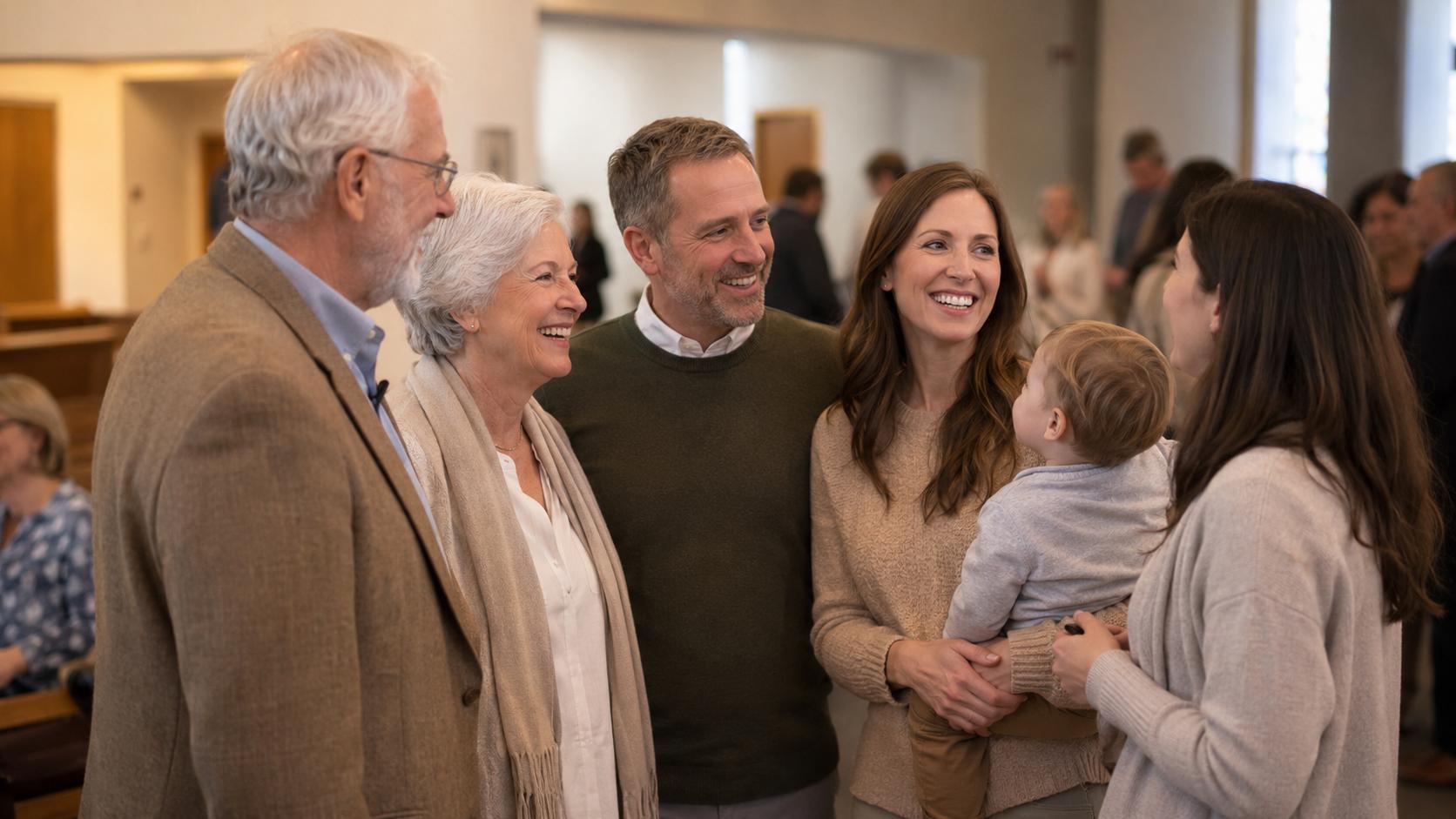
The innocence of childhood is not the same as ignorance. It is a protected season in which children are allowed to grow without being forced to process every form of evil around them. During those years, a child develops a conscience, learns whom to trust, and begins to understand the world through the truths taught at home and in church.
A young child needs time to learn that God made the world, that God made her, and that His commands are good. She needs years of hearing the truth before meeting people who will confidently insist that truth is foolish, cruel, or outdated. Those early years help form the convictions she will need later, when the voices around her become louder and the questions become more difficult.
Children also need room for ordinary childhood. They need long afternoons outside, good books, household chores, scraped knees, family meals, church services, conversations with grandparents, and games whose rules change every five minutes. They need the freedom to enjoy those things without constantly being pulled into the restless and often ugly concerns of adults.
Protecting that freedom requires attention. Parents cannot assume that something is safe merely because it is animated, marketed toward families, or popular among other children. They have to watch, listen, ask questions, and sometimes say no. That answer may inconvenience the family, anger a child, or make other parents uncomfortable. Even so, protecting children will sometimes mean being the family that does not watch the program, download the application, attend the event, or allow unrestricted access to a device.
A parent’s duty is not to remove every disappointment from childhood. Sometimes love allows a child to be disappointed in order to protect something the child cannot yet recognize or understand.
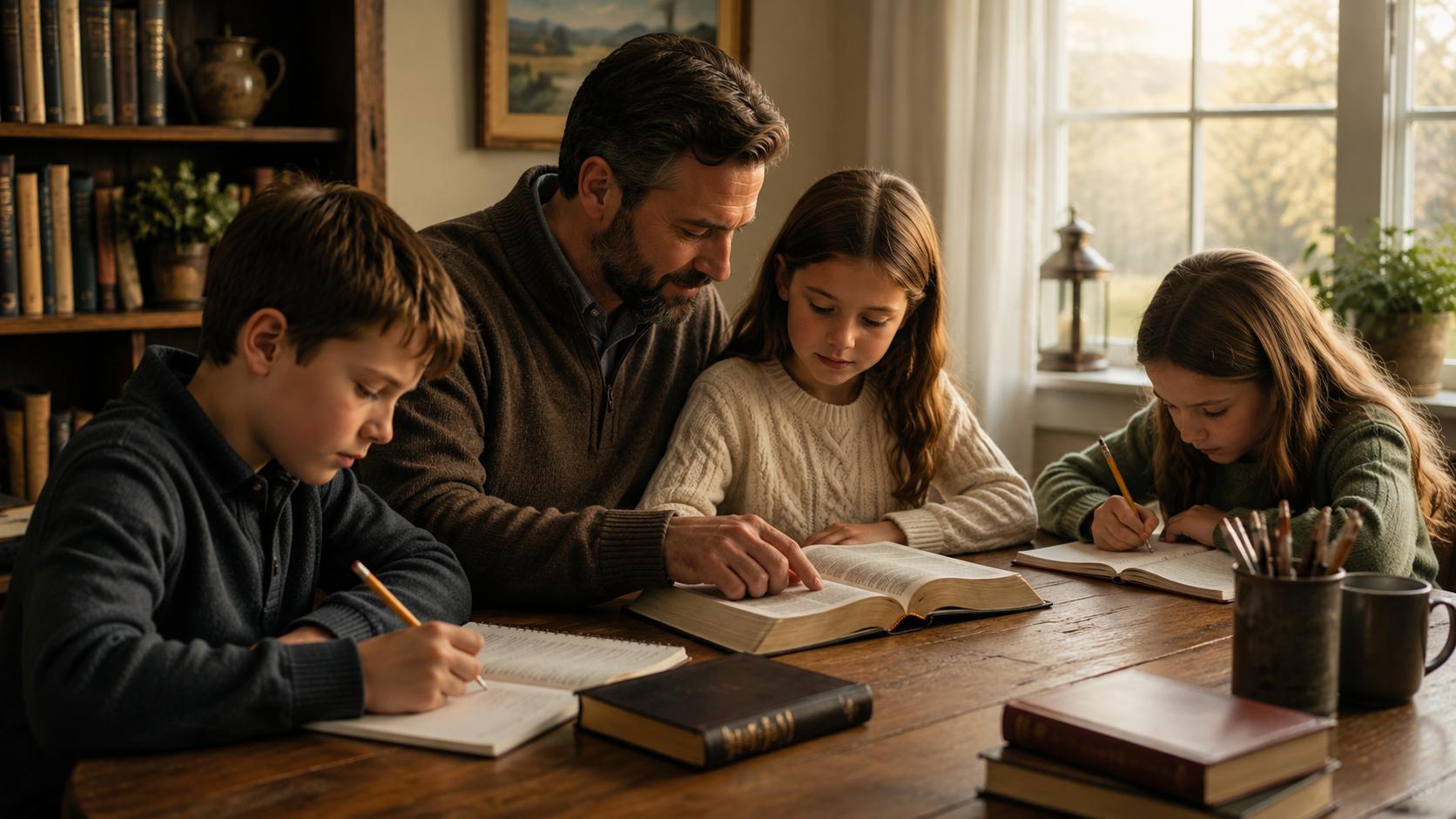
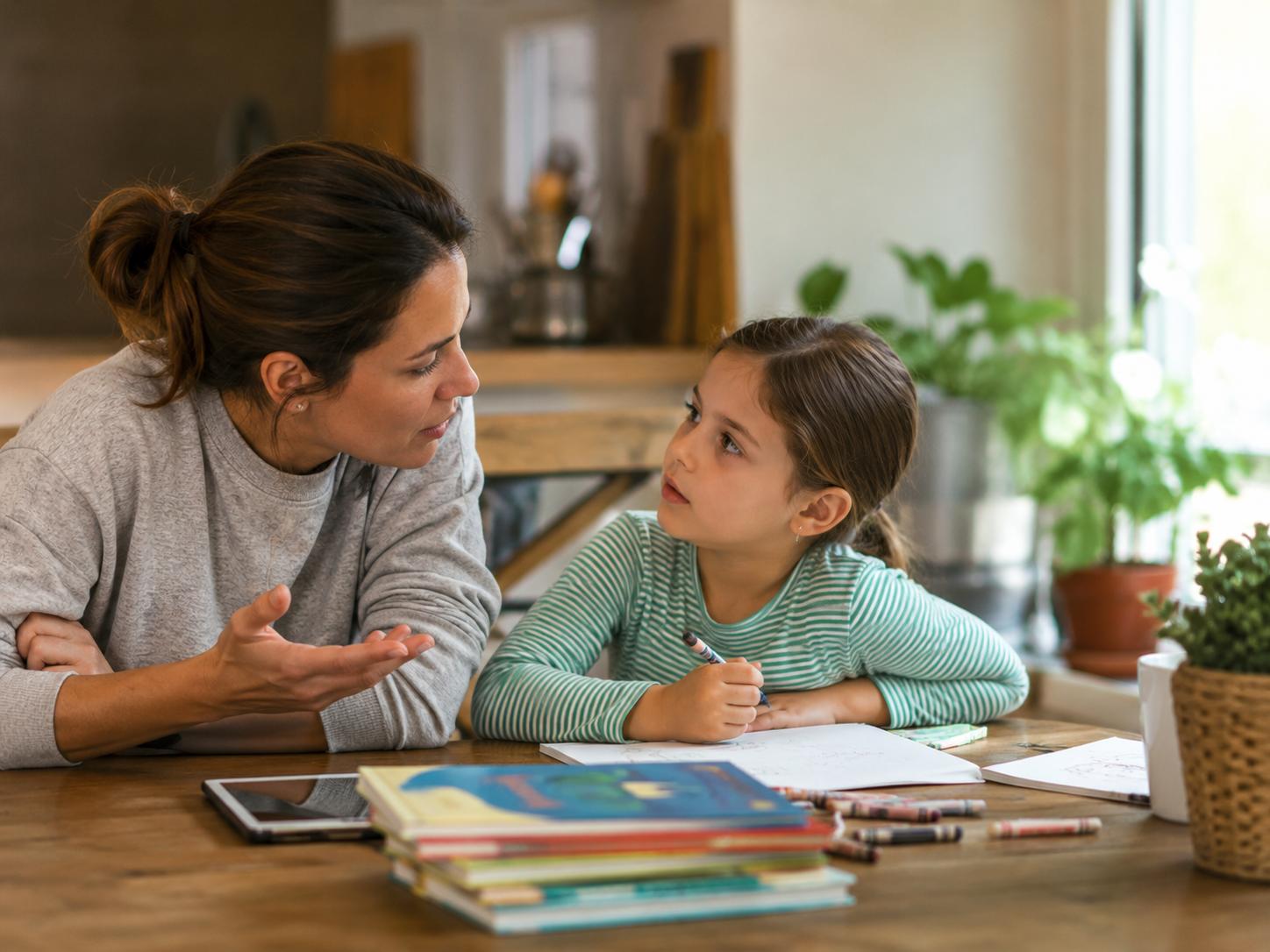
Rules alone, however, will not accomplish this. Children need reasons, and those reasons should become clearer as they grow. Parents should teach that the human body has dignity because God created it. Sexuality is not dirty, but it belongs within the order God established. Other people must never be treated as objects for amusement or desire. Purity is not embarrassment about the body. It is the right and honorable use of something God has made.
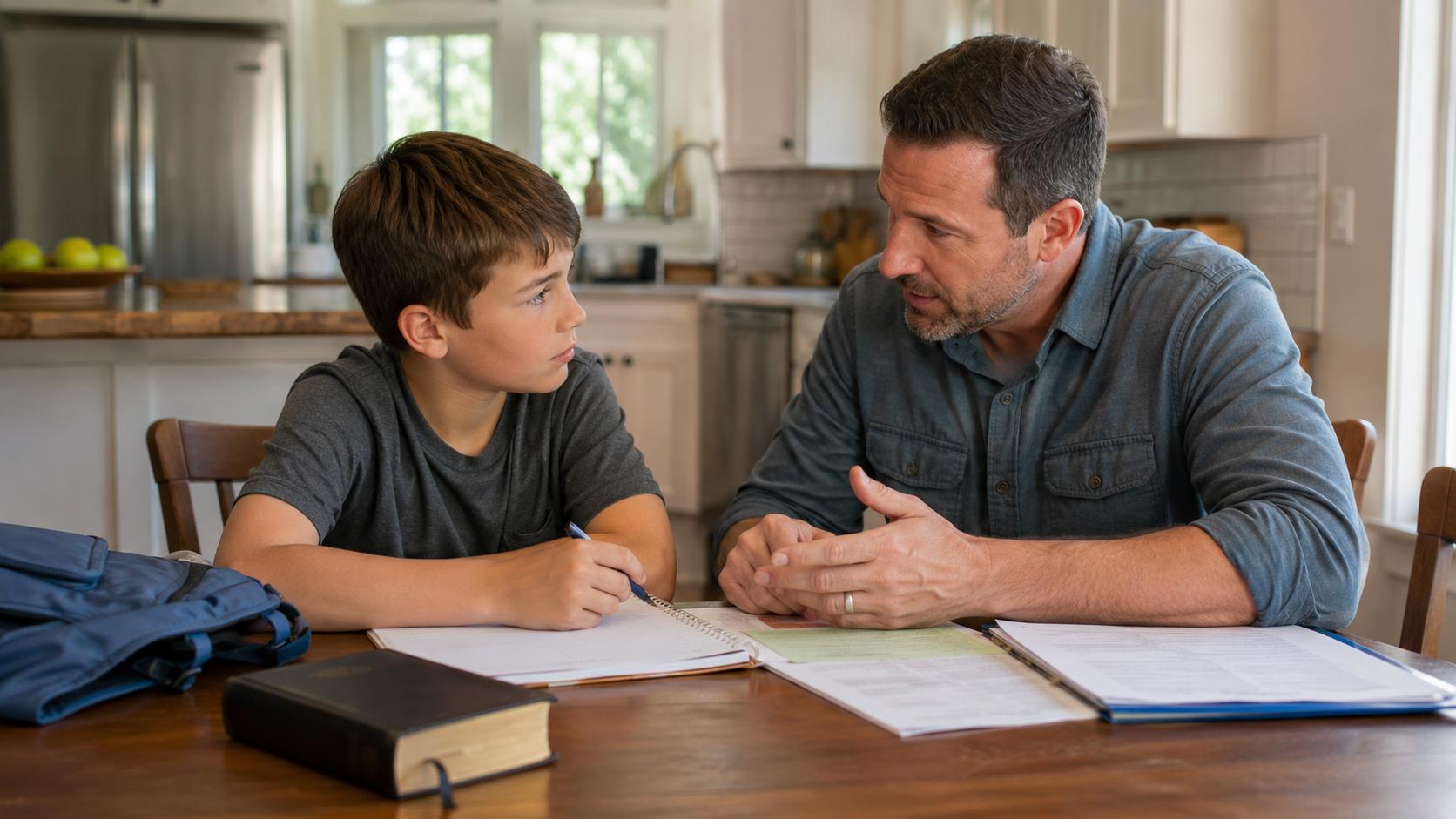
These conversations should take place at home with patience, honesty, and calm. A child who asks an uncomfortable question should not be made to feel ashamed for asking it. Parents want their children to come to them first, especially when something confusing, frightening, or disturbing has happened. A panicked or angry response may silence a child at the very moment he most needs help.
Churches must take this responsibility seriously as well. Children’s ministries should support the work of parents rather than quietly replacing it. Pastors and teachers should speak clearly about holiness, modesty, marriage, sin, grace, and the goodness of God’s design. Churches must also consider the entertainment they show, the language they use, and the examples they place before children and teenagers.
Jesus’ warning in Matthew 18:6 is severe because causing a child to stumble is a severe matter. Adults sometimes excuse what they place before children by saying, “They will hear it somewhere eventually.” That reasoning should trouble us. Children will eventually face grief, betrayal, suffering, and death too, yet no loving adult would rush those realities toward them simply because they cannot be avoided forever.
No family can protect a child from every sinful influence. No filter catches everything, and no parent hears every conversation or knows every thought taking shape in a child’s mind. That is one reason the prayer that began this article matters so much. Parents and grandparents need God’s help. They need wisdom to recognize danger, courage to establish boundaries, humility to correct their mistakes, and grace when they discover that something harmful has already slipped through.
The world is in a hurry to make children older, but Christian parents do not have to assist it. Children can be taught the truth without being hurried into adult concerns. They can be prepared for a fallen world while still being given time to wonder, play, learn, and grow under the care of people who love them.
Let children grow at the pace God intended. Let children be children.

HGN Staff
His Good News magazine seeks to unite and empower parents, educators, legislators, and voters in West Virginia to support and advance Christian education, religious freedom, and conservative values. By fostering a strong Jesus-based foundation within our communities, we can influence legislation, protect religious freedoms, and ensure that our children receive a quality Christian education.